The Intergovernmental Science-Policy Platform on Biodiversity and Ecosystem Services (IPBES) is an independent intergovernmental body established by States to strengthen the science-policy interface for biodiversity and ecosystem services for the conservation and sustainable use of biodiversity, long-term human well-being and sustainable development.
In December, IPBES published an Assessment Report on the Interlinkages among Biodiversity, Water, Food and Health. The report found that:
- Biodiversity loss puts food and water systems, human health and the climate at risk
- Focusing solely on food security leads to ‘severe trade-offs’ with climate, water and biodiversity
- Shifting to sustainable healthy diets will benefit people and the planet
- All available options for restoring nature would also help to tackle and adapt to climate change
- Reforming global financial systems can help close the biodiversity funding gap
Over 160 scientists and experts contributed to the report research and have proposed a total of 71 responses within the following 10 broad categories of action:
- Conserve or halt conversion of ecosystems of high ecological integrity
- Restore nature and semi natural ecosystems
- Manage ecosystems in human exploited lands and waters
- Consume sustainably
- Reduce pollution and waste
- Integrate panning and governance
- Manage risk
- Ensure rights and equity
- Align financing
- Others (restore ecosystems that contribute to climate mitigation (forests, wetlands, mangroves, peatlands)
The Report is available at:
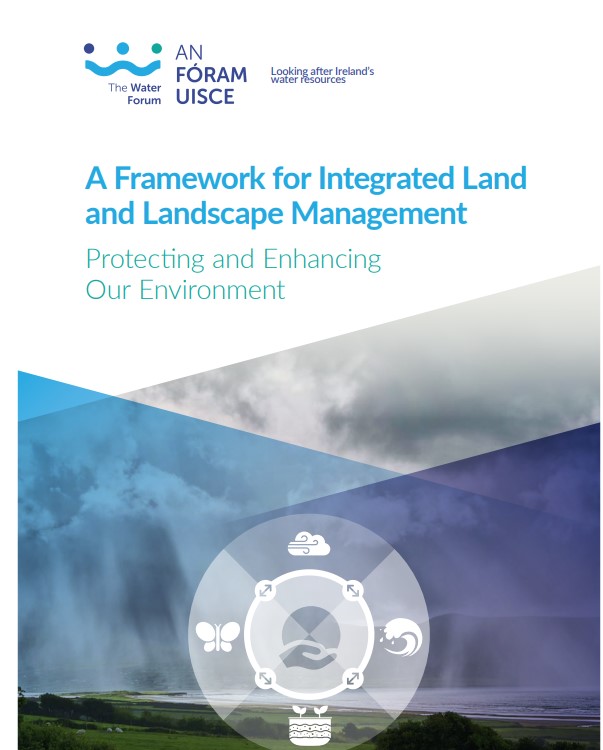
The Water Forum’s policy document a Framework for Integrated Land and Landscape Management also recognises that taking an integrated catchment-based approach to water management while accounting for synergies and trade-offs for nature and climate adaptation is necessary to achieve outcomes more effectively.
Framework for Integrated Land and Landscape Management FILLM